
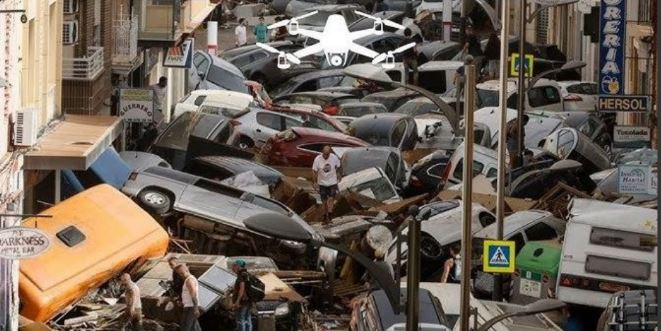
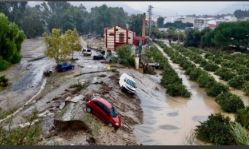
On 29 October 2024, extreme rainfall produced deadly flash floods across the Valencian Community and neighbouring regions. Stations in Turís and Chiva recorded extraordinary totals, including 184.6 mm in one hour and 491 mm in eight hours, far beyond normal conditions. The event caused over 200 deaths, wide power outages and heavy damage to transport and housing, and prompted three days of national mourning. The event exposed systemic gaps in everyday preparedness; this became a catalyst for RISE, which aims to strengthen readiness in advance through simple planning, clear guidance and regular practice.
Preparedness in Practice: What the Floods Revealed
Authorities issued severe weather warnings and emergency services mobilised early. Yet the event revealed a gap between warnings and action at household and neighbourhood level. Many residents lacked basic preparedness measures, including simple plans, clear role assignment, safe utility shut off and protection of priority items. The storms’ exceptional intensity and near stationary behaviour exceeded the operational readiness of households and local systems. As a result, decision making slowed, evacuations were delayed, avoidable losses increased, services and volunteers were overstretched, and recovery was longer and more costly, with disproportionate effects on older people and small enterprises.
Much of this harm was avoidable. Across the EU, only 37 percent of people feel well prepared for disasters where they live, while 58 percent do not (Special Eurobarometer 547, 2024), highlighting a clear gap between risk and readiness. This strengthens the case for clear information, routine preparation and community-based learning, the core focus of RISE.
How RISE Turns Lessons into Practice
The 2024 floods showed where preparation failed and where education can change outcomes. People hesitated in the first hours, roles were unclear and warnings did not translate into simple steps at home or at work. RISE takes those lessons and turns them into actions that communities can use before the next extreme event.
First, we redesigned training so it fits real life. Short sessions now end with a finished plan, clear role cards and a quick drill. This means households, schools and local teams know who does what, what to do first and how to do it safely. The aim is calm, early action in the hours that matter most.
Second, we built a best practice library because people asked for clear steps, not long reports. It gathers European examples with step-by-step guides, common pitfalls, time needs and simple templates. Councils, educators and community groups can take a method that has worked elsewhere and adapt it to their own place.
Third, the innovation lab responds to what the flood revealed on the ground. Communities needed low-cost fixes fast, from basic flood guards to better ways to map needs and match help. The lab provides a space to co design and test practical ideas, so ready to use solutions are available and easy to share across regions.
Fourth, we improved public guidance so a warning becomes action in minutes. One page plans, safe utility shut off steps, priority item lists and neighbour check prompts are linked to local alerts. Materials are accessible and written in plain language so people can build simple habits and keep them.
Finally, we design for those most at risk. Older people and small businesses were hit hardest in 2024. RISE provides larger print materials, clear contact prompts and straightforward continuity tips for local shops and services. Support reaches those who need it most and it reaches them faster.
The flood is now a case study that teaches, not only a record of loss. By turning hard experience into simple education and routine practice, RISE helps communities move from warnings to action and from reaction to readiness. This is the path to fewer injuries, less damage and quicker recovery. Ready for tomorrow, together.
Find out more about the floods at:
https://wmo.int/media/news/devastating-rainfall-hits-spain-yet-another-flood-related-disaster