
Stories from the ground up
Behind every crisis is a community that responded. A neighbourhood that organised. A volunteer network that found a way through. The RISE case studies bring these stories together, showing how people across Europe and partner regions have faced disruption and led their own recovery.
Why these stories matter
Each story follows a real community through a real crisis, from the first response to the long work of rebuilding. Some are about floods and storms. Others about earthquakes, wildfires, or conflict. All of them show what happens when local knowledge, trusted networks, and practical action come together under pressure.
These are not polished success stories. They include what worked, what didn't, and what would be done differently. That honesty is what makes them useful.
What you'll find
Each case study tracks a community from immediate response through long-term recovery. Across the portfolio, common strengths show up again and again: local knowledge, trusted networks, preparedness, and practical action under pressure.
The cases are designed to travel. By documenting how recovery works in different settings, the Compendium helps other communities and organisations adapt what's useful to their own context.
A single document bringing all case studies together with a shared analytical framework. Best if you want the full picture, comparative analysis, and cross-case patterns.
Each case stands on its own as a focused account of one community's experience. Best if you want to dive into a specific hazard, region, or approach.

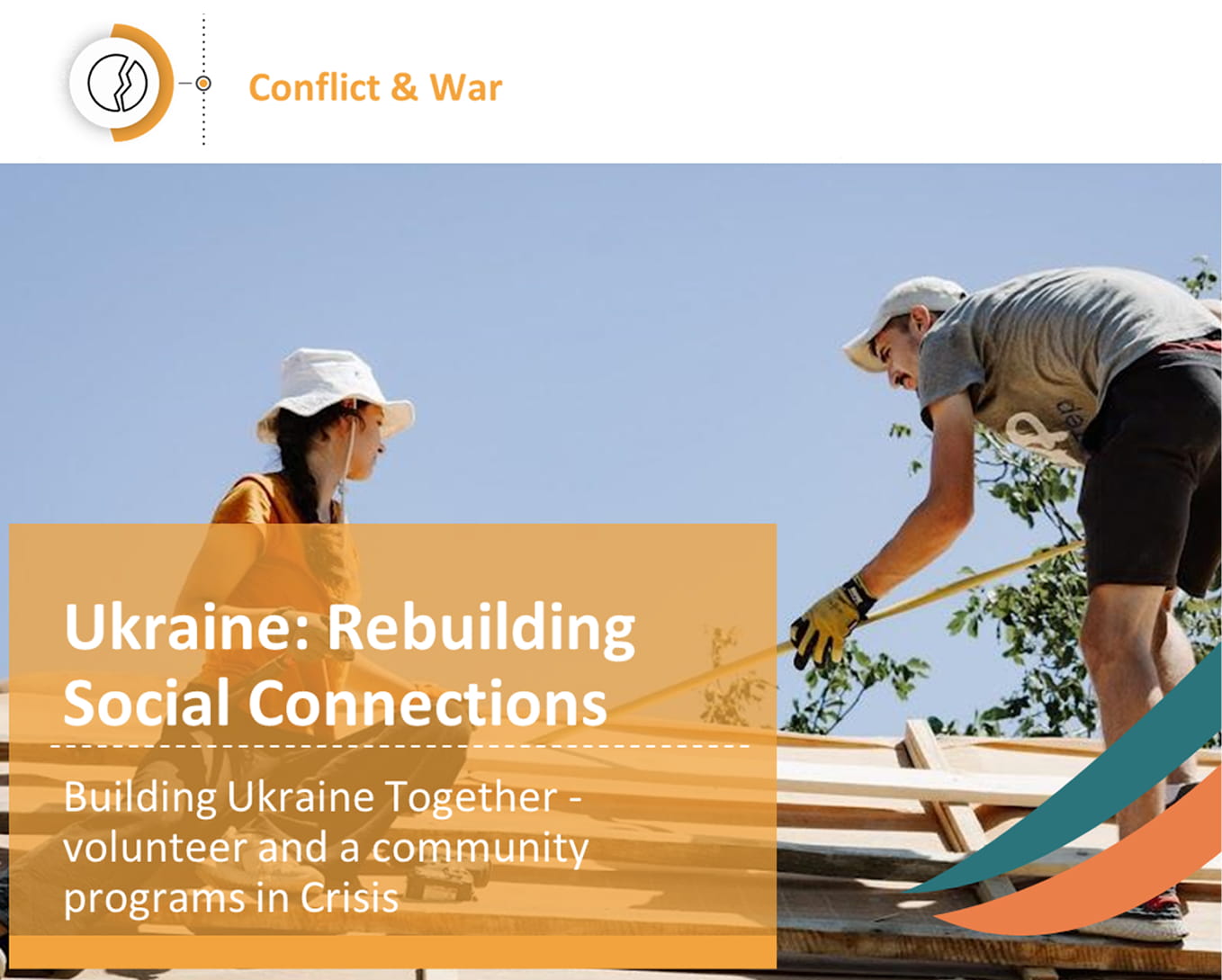
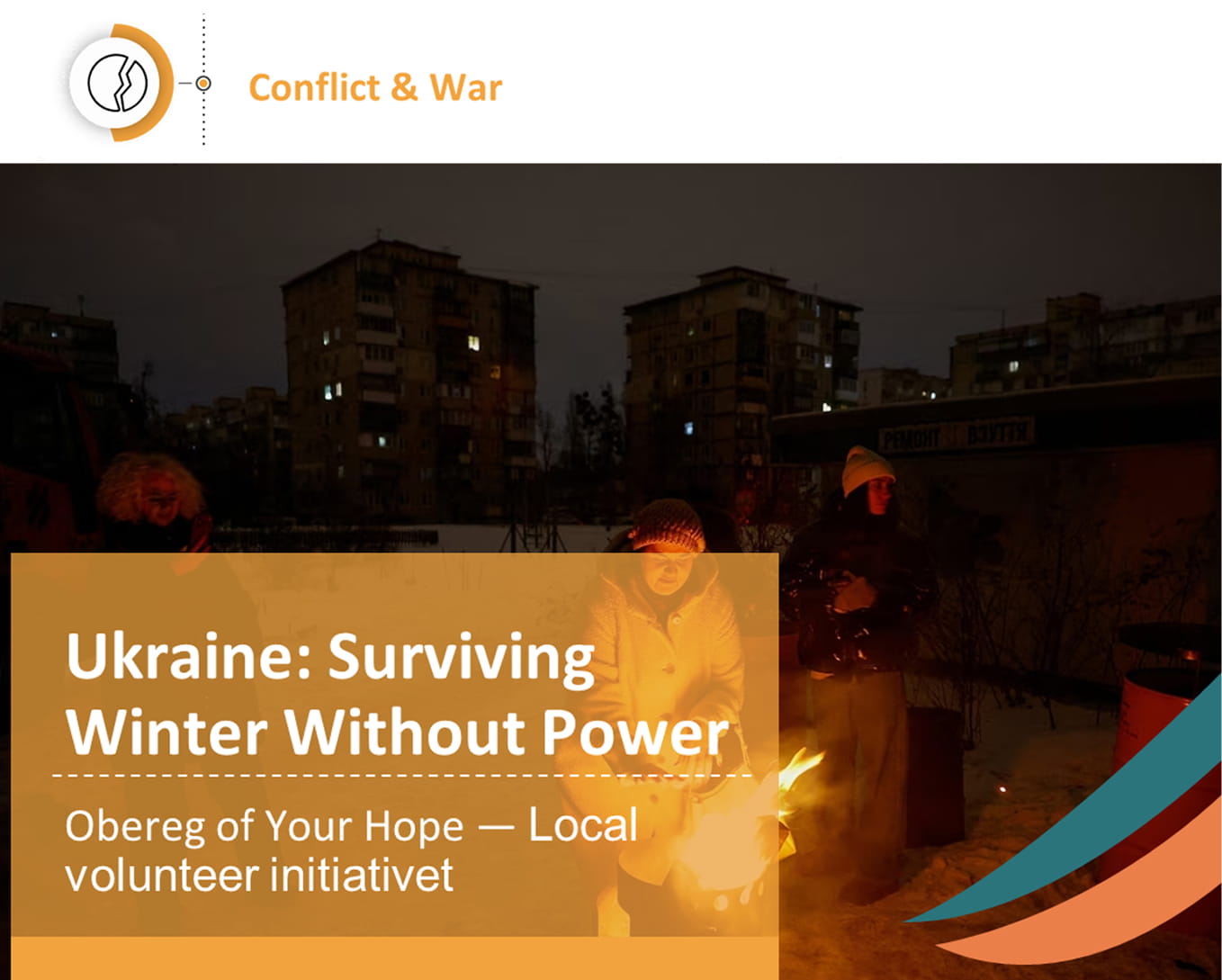
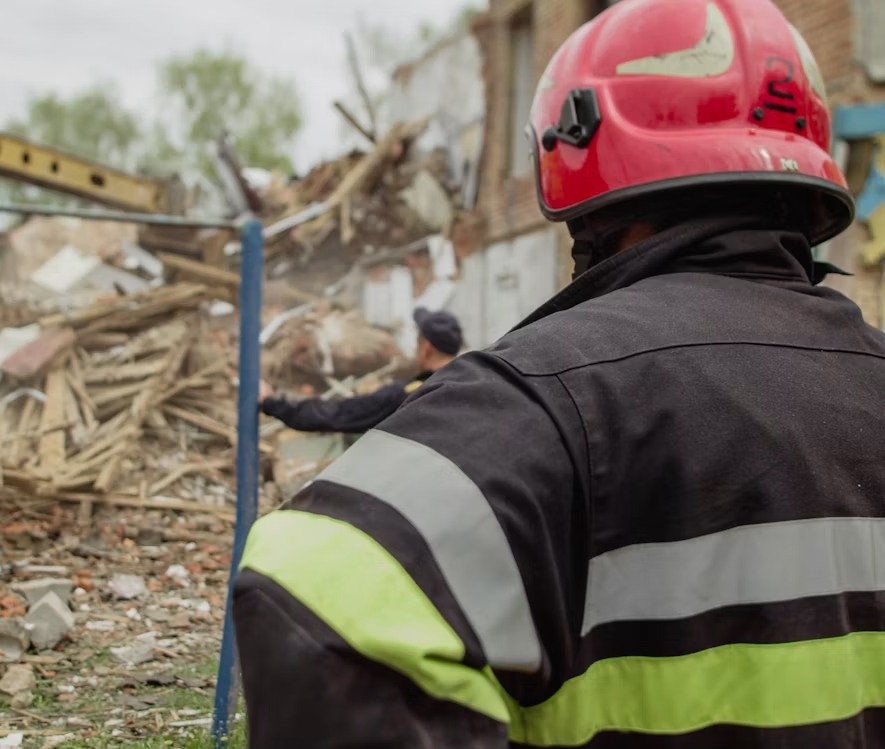
Unlike sudden disasters, conflict and war create disruption that is continuous, unpredictable, and deeply embedded in everyday life. Infrastructure is damaged over time, services become unreliable, and communities must function under constant uncertainty and pressure.
These case studies demonstrate how resilience is sustained through community-led action in the most challenging conditions. They show how local leadership, preparedness, and practical, low-resource solutions help maintain essential services and social cohesion. Recovery in this context is not a defined phase, but an ongoing process of adaptation, where communities play a critical role in sustaining stability and rebuilding over time.

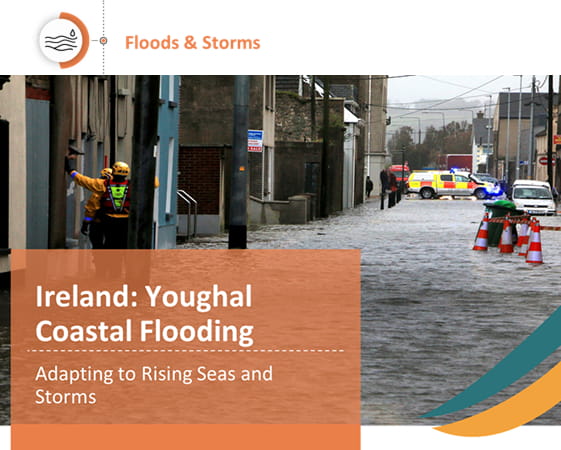
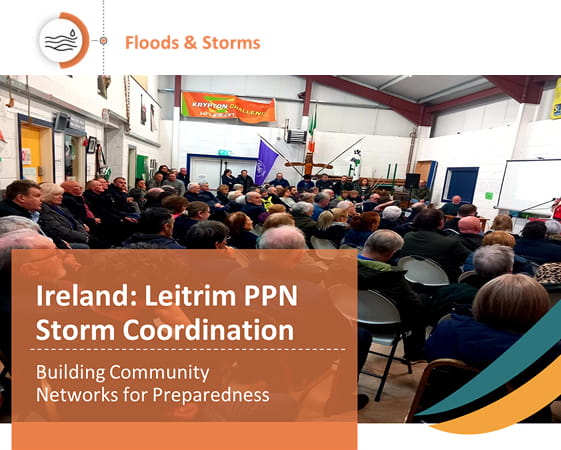
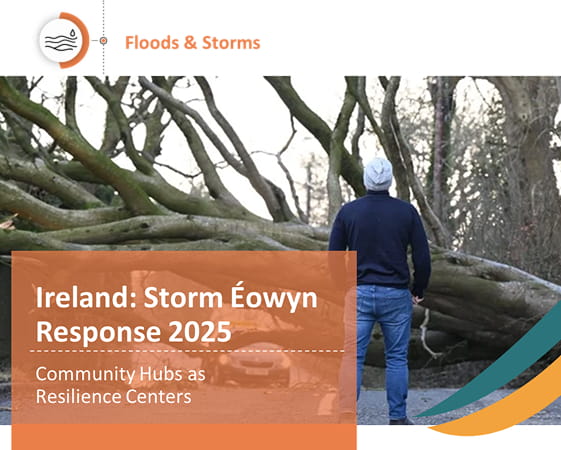
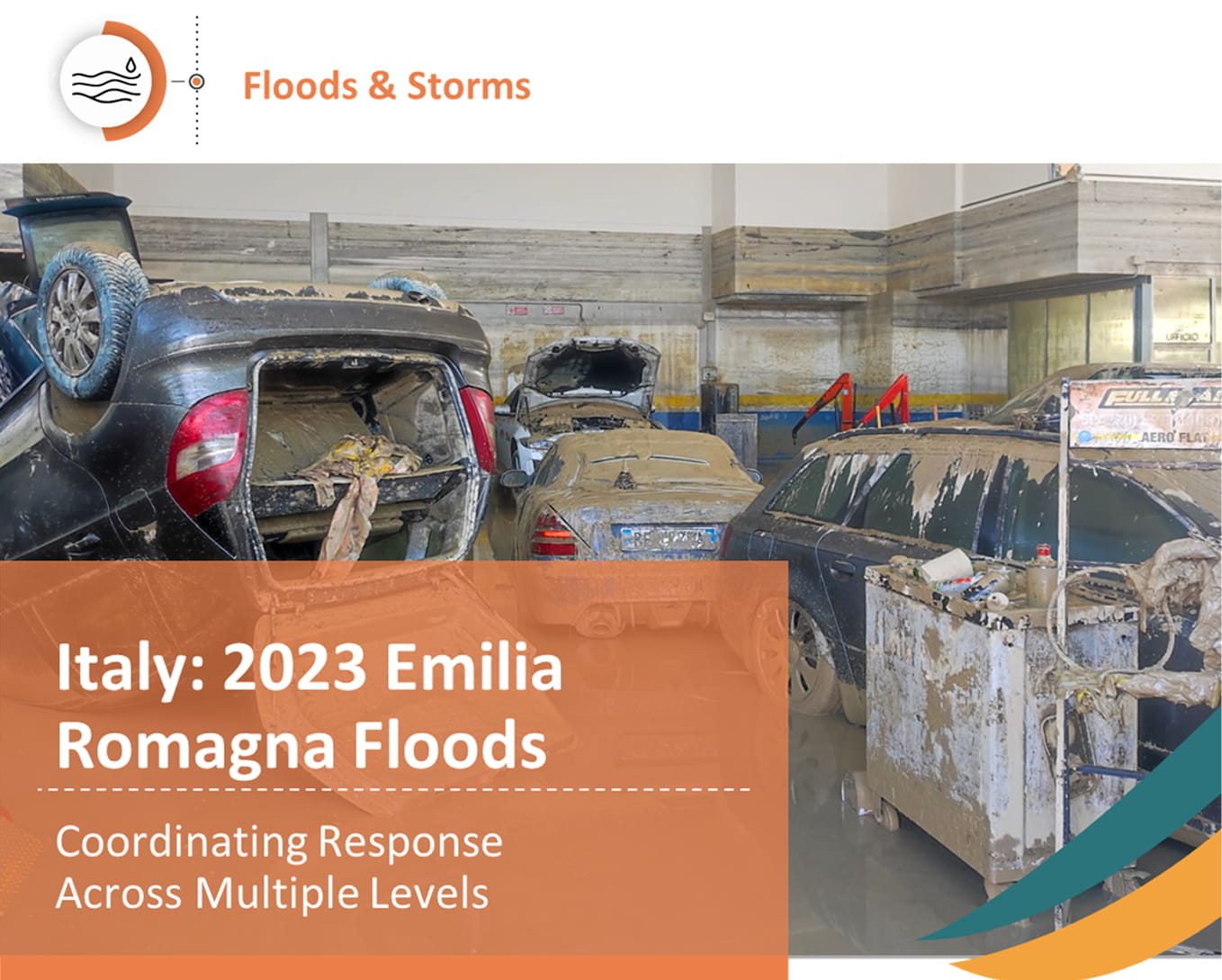
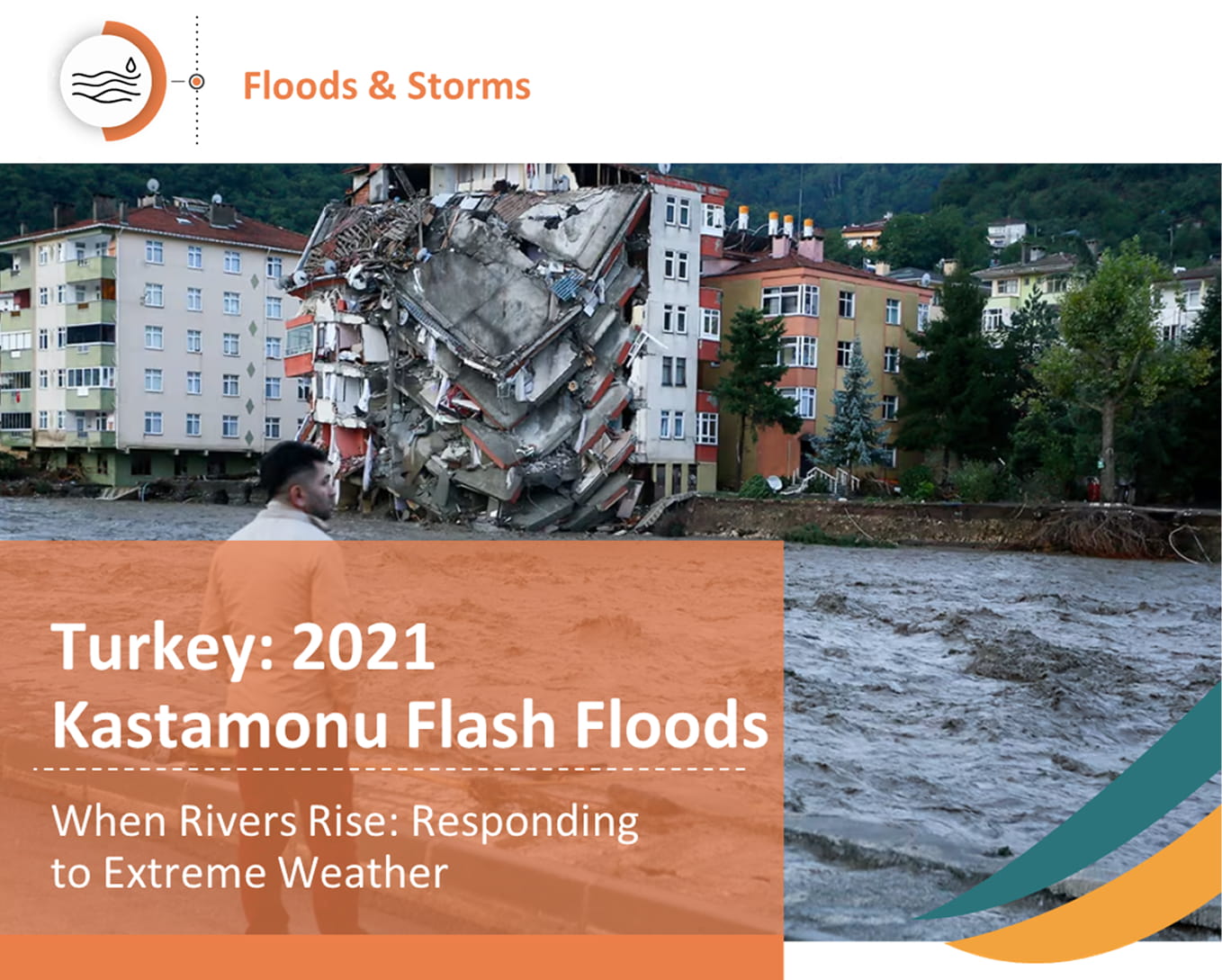
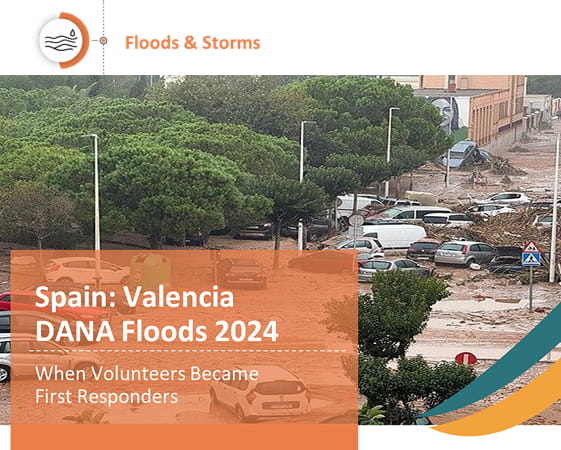
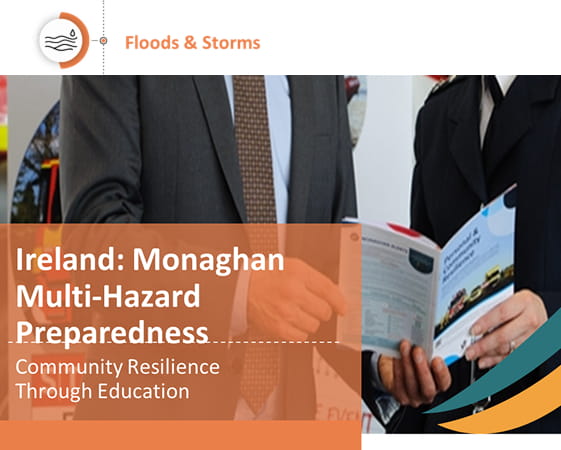
Driven by extreme weather, floods and storms can rapidly overwhelm communities, cutting off access to power, water, transport, and communication. Their impacts are often compounded by repetition, leaving communities to recover while preparing for the next event.
These case studies highlight how community-led recovery strengthens both immediate response and long-term resilience. They show the importance of preparedness, trusted coordination, and practical solutions that keep communities functioning during disruption. By focusing on rebuilding that reduces future risk, they demonstrate how recovery can become a pathway to stronger, more resilient local systems.

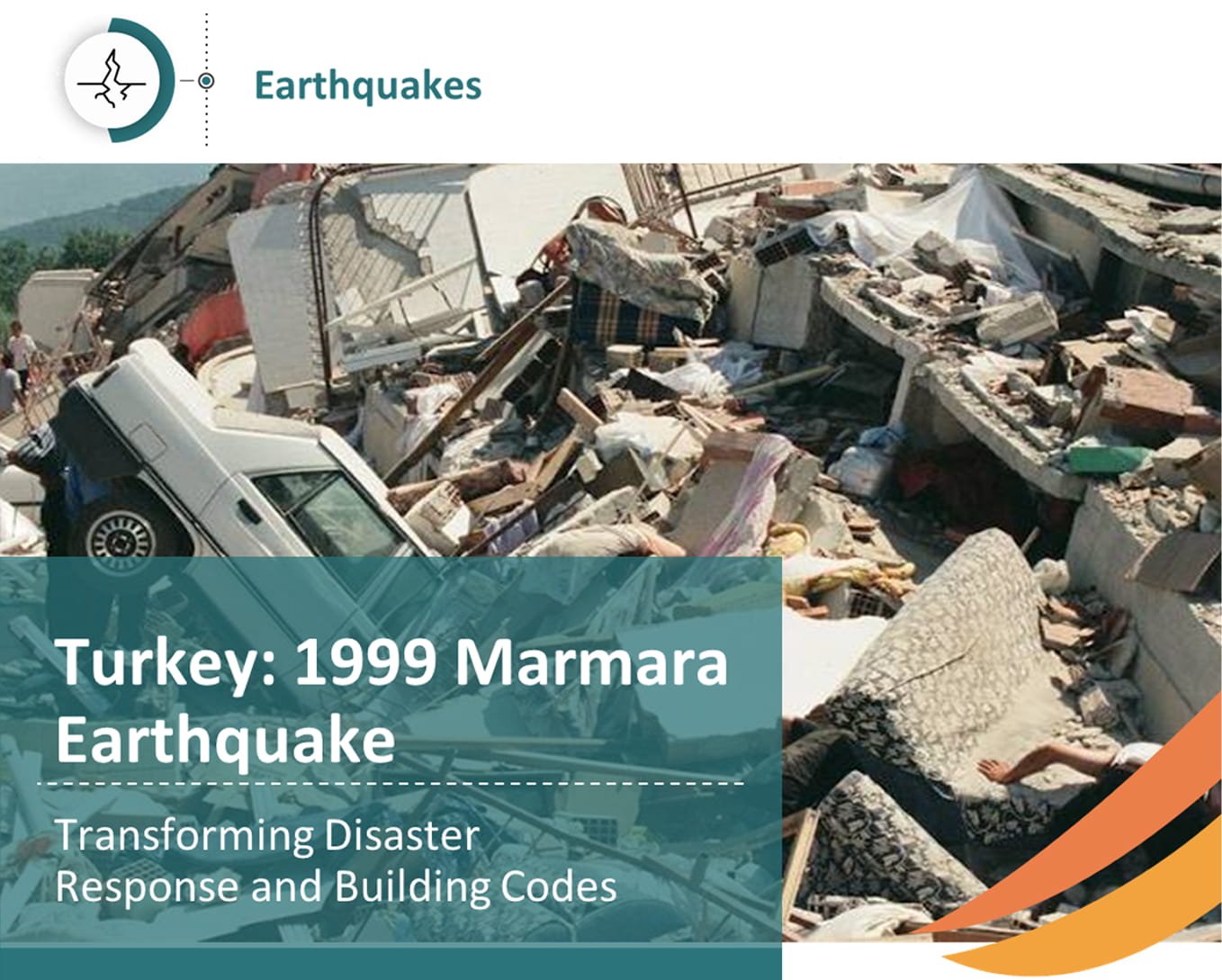
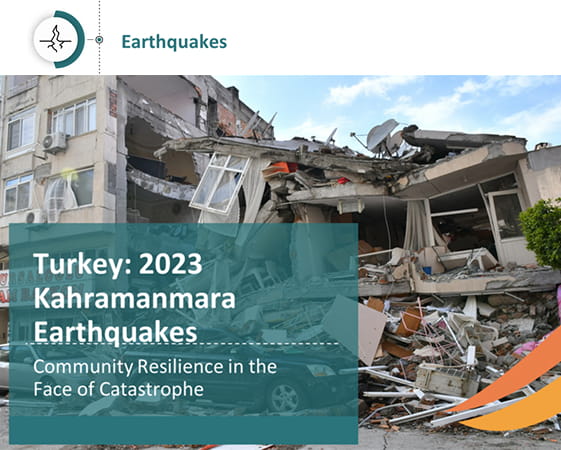
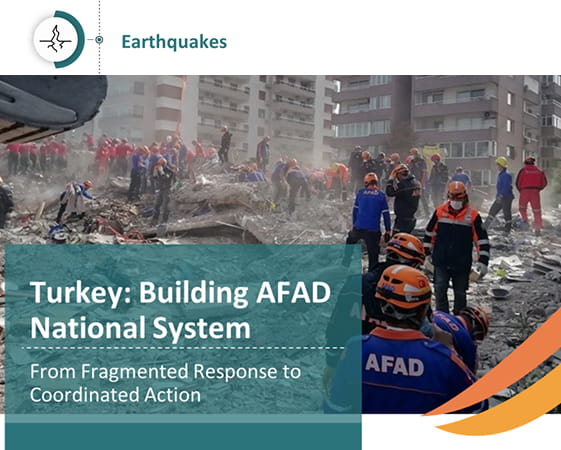
With little to no warning, earthquakes can cause immediate and catastrophic destruction, collapsing buildings, disrupting infrastructure, and displacing entire populations within seconds. The scale and speed of impact leave communities facing urgent response needs alongside complex, long-term recovery challenges.
These case studies explore how resilience is built through a combination of preparedness, coordinated systems, and community-led action. They show how rebuilding efforts can move beyond restoration, prioritising safety, improved planning, and risk reduction. In this context, resilience is defined by the ability to rebuild stronger and reduce vulnerability to future shocks.

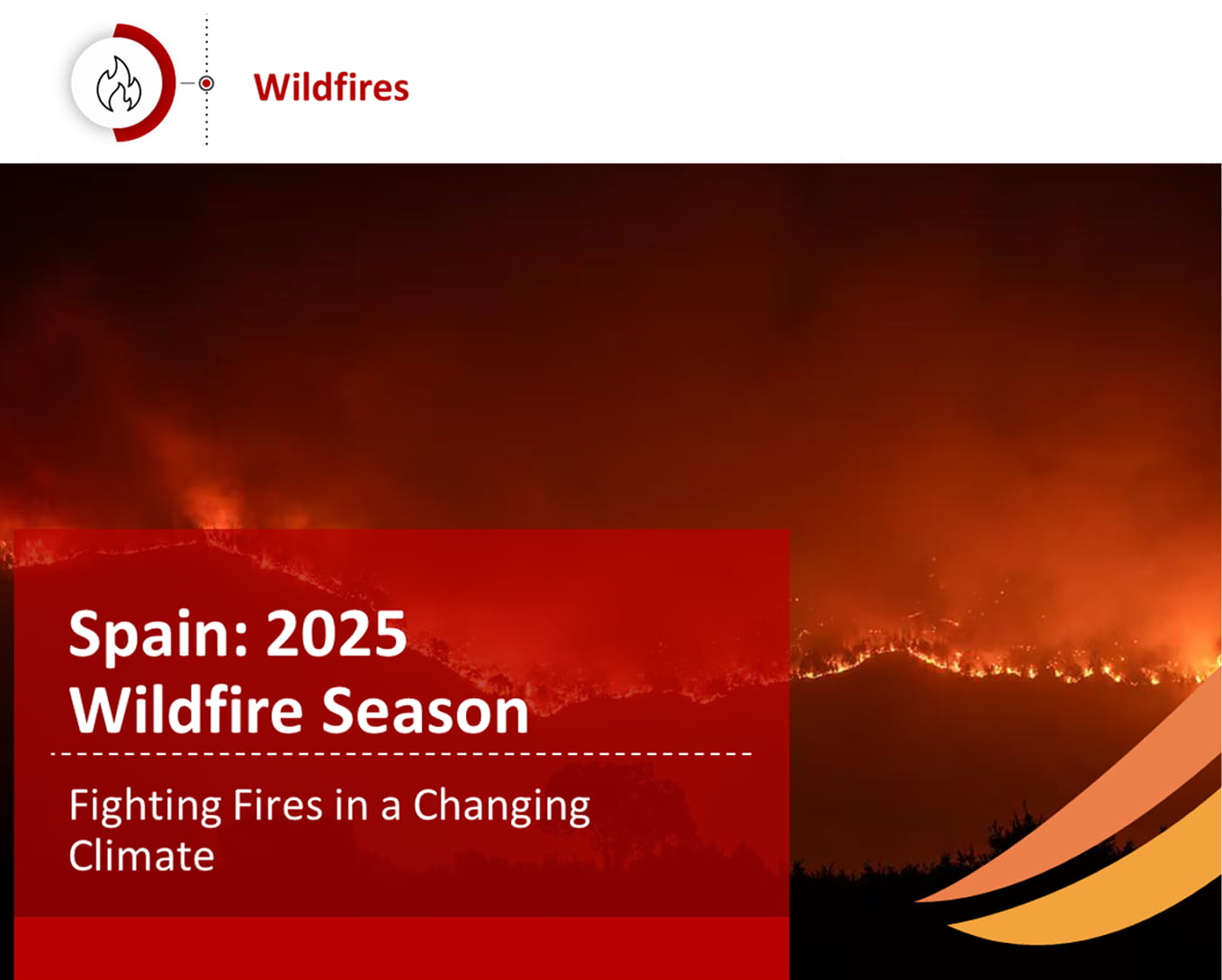
Fuelled by rising temperatures and changing climate conditions, wildfires can spread rapidly across large areas, destroying natural landscapes, homes, and livelihoods. Their effects extend far beyond the immediate event, with long-term consequences for ecosystems, economies, and community stability.
These case studies focus on recovery approaches that prioritise sustainable rebuilding and long-term resilience. They highlight how preparedness, land management, and community-led action can reduce vulnerability and support adaptation. By linking recovery with environmental stewardship, they show how communities can rebuild in ways that are more resilient to future climate pressures.

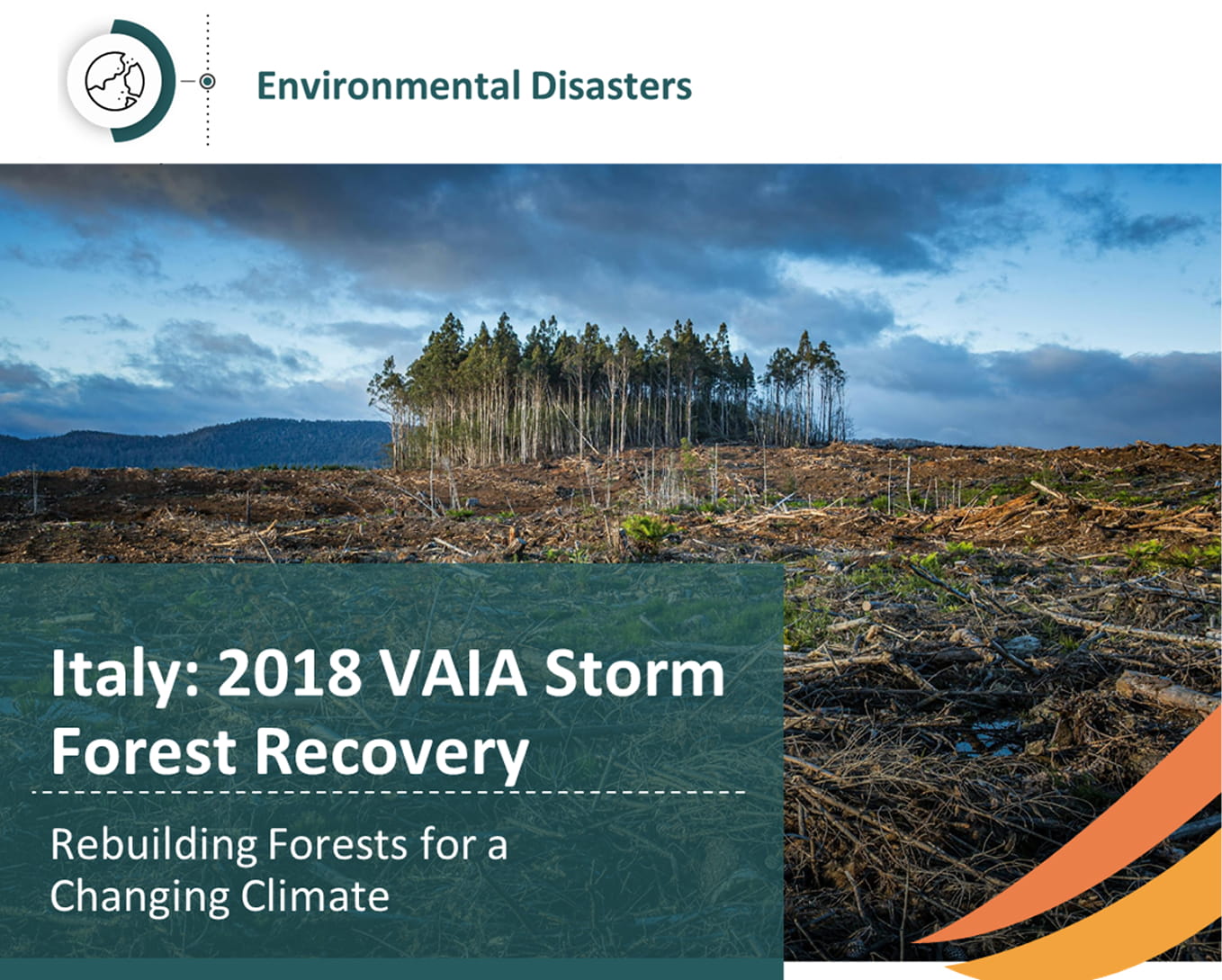
Not all crises unfold suddenly. Environmental disasters such as drought, heatwaves, and ecosystem degradation develop over time, gradually placing pressure on resources, livelihoods, and community wellbeing. Their impact can be less visible, but equally disruptive and long-lasting.
These case studies highlight the importance of adapting to slow-moving but persistent challenges. They show how community-led approaches, preparedness, and sustainable practices support resilience in changing conditions. By focusing on long-term adaptation and working with natural systems, they offer practical strategies for building stability in the face of ongoing environmental change.