

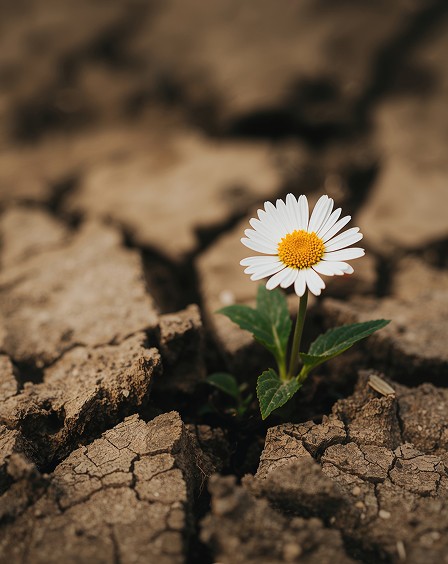
Disasters do not wait. A storm rolls in overnight. The ground moves without warning. A river rises faster than anyone expected. In the hours and days that follow, communities need to act quickly to keep each other safe, share trusted information, organise help, and begin the long work of recovery.
This Digital Toolbox brings together the apps, websites and platforms that can help. Some give early warnings. Some keep people connected when phone networks fail. Some support coordination, rebuilding, wellbeing, and the fight against misinformation. Each one has been chosen because it works in the real world in places where help cannot wait, where money is tight, and where the internet may come and go.
Whether you are a community member, a volunteer, an educator, or part of a local organisation, this Toolbox is here for you. You do not need technical skills. You do not need to sign up to explore. You just need to find the tool that fits the moment you are in.
Every tool is free or low-cost, easy to start using, and chosen for the places where help cannot wait.


As Spain’s national meteorological service, AEMET provides official forecasts, warnings, and alerts that communities can trust. In RISE, it serves as a strong example for other countries of how national weather services can support preparedness, risk awareness, and earlier action.


In Turkey, AFAD’s earthquake information systems turn official hazard data into clear, public-facing information that people can follow and act on. For RISE, this highlights how trusted data can strengthen awareness, preparedness, and public confidence. For other countries, it offers an inspiring example of how national monitoring systems can make risk more visible, improve communication, and help communities feel better informed before and during emergencies.
Turkey’s AFAD Emergency Mobile Application gives users access to emergency calling, assembly areas, and preparedness guidance. In RISE, it demonstrates how one app can combine readiness and response, offering a strong example for countries developing integrated public safety tools.

Used in Turkey through the national disaster authority, the AFAD Volunteer Platform shows how volunteer energy can be channelled into organised, meaningful action. For RISE, it is a powerful example of how community leaders and grassroots actors can be trained, mobilised, and supported through an official system. For other countries, it offers strong inspiration for building trusted volunteer networks that are ready to step forward when crises emerge.

Akvo Caddisfly is a mobile-based water quality testing tool that works in the field. Within RISE, it supports environmental recovery, with its strongest feature being the ability to generate real-time, evidence-based insights on water safety and environmental conditions.

As a free and open audio editing tool, Audacity helps communities create clear, localised voice content for radio, podcasts, and public messaging. Within RISE, it supports stronger outreach and community trust by making it easier to produce accessible information in spoken formats.

A free online tool, BCIS Rebuild Calculator helps estimate rebuilding costs after damage. For RISE, its key value is cost clarity, enabling communities and support organisations to plan recovery more confidently and make informed decisions about rebuilding and long-term resilience.

Bridgefy is a free messaging app built for offline communication, allowing people to stay in touch when internet access fails. This makes it highly relevant to RISE, and its most attractive feature is Bluetooth-based messaging that helps communities coordinate locally during disruption or emergency situations.

Calm is a digital wellbeing app focused on relaxation, sleep, and stress reduction. For RISE, it supports long-term recovery, with its standout feature being guided audio content that helps individuals maintain emotional balance during and after crisis situations.

Canva offers a free online design plan that helps users turn preparedness information into clear and engaging visual materials. It supports the RISE ethos by making communication more accessible, and its standout feature is the wide range of ready-made templates for guides, posters, checklists, and social content.

Cell Broadcast is a built-in public warning system used in countries such as the UK, the Netherlands, and Spain to send emergency alerts directly to mobile phones in a defined area, without requiring an app or internet connection. It works through mobile network towers, delivering location-based messages instantly to all compatible devices in range. Supported by global guidance bodies such as GSMA, it is recognised as a highly inclusive and reliable model for public warning. In RISE, it serves as a strong example for other countries seeking accessible, trusted, and timely crisis communication.

From non-profit Meedan, Check is a free collaborative tool for tracking, verifying and responding to information circulating online. Teams can pool tip-offs, check claims across languages, and reply through WhatsApp — useful for tackling misinformation during a crisis.

Known for producing clear and natural translations, DeepL helps users create multilingual content that remains accurate and easy to understand. For RISE, it strengthens communication by ensuring guidance, updates, and resources stay trustworthy and meaningful across different languages and communities.

The EDGE App is a free online tool for designing greener buildings by analysing energy, water, and material use. For RISE, it supports climate-adaptive rebuilding, with its most compelling feature being simple modelling of sustainability improvements and cost savings.

ES-Alert is Spain’s national public warning system, sending official alerts directly to citizens during serious risks. In RISE, it highlights trusted government-led communication, and serves as a strong example of how countries can use direct mobile alerts to improve preparedness and response.

The European Flood Awareness System, part of the EU’s Copernicus Programme, provides early flood warnings and forecast information across Europe, helping authorities and communities anticipate potential risks before they escalate. For RISE, it strengthens preparedness and forward planning by showing how shared data, regional cooperation, and trusted forecasting can support earlier action and more coordinated responses. It also serves as a strong example for other countries of how large-scale monitoring systems can improve readiness and reduce the impact of flood events.

Google Crisis Response is a free online public information layer that helps people access crisis updates, maps, safety details, and emergency contacts in one place. For RISE, its key value is trusted public information access, which complements community-led tools used for local preparedness and response.

Covering 130+ languages, this free translation tool works through text, voice, camera (point-and-translate signs) and offline phrasebooks. Useful for working with multilingual residents, displaced families, or newcomers — making it quicker to share safety information and run inclusive workshops.

Green Building Council España is a Spain-based organisation that promotes sustainable construction, training, and practical guidance for greener buildings. For RISE, it strengthens the rebuilding dimension by showing how recovery can also improve environmental performance, health, and resilience. For other countries, it offers inspiring evidence that national building bodies can help turn post-crisis rebuilding into a more climate-aware and future-focused process

GriefShare provides structured grief recovery support through guided sessions and resources. Within RISE, it addresses loss and trauma, with its key feature being community-based support that helps individuals process grief and strengthen emotional recovery over time.

Headspace is a widely used mental health app offering guided meditation, sleep support, and mindfulness exercises. In RISE, it contributes to psychosocial recovery, with its strongest feature being structured, easy-to-follow tools that help individuals manage stress and build emotional resilience.

iNaturalist is a free platform that allows users to record and identify biodiversity through observations. For RISE, it supports environmental awareness and recovery, with its key feature being community-driven data collection that contributes to scientific understanding and local resilience planning.

Built for low-connectivity settings, this free survey tool lets you design questionnaires on a laptop and gather data on any phone — even offline. Photos, GPS points and multilingual forms turn local knowledge into evidence community groups can act on.

Used internationally in humanitarian settings, LMMS shows how digital tools can make aid and resource delivery more organised, transparent, and fair. For RISE, it demonstrates how registration, tracking, and reporting systems can strengthen accountability and improve response efforts. For other countries, it offers a compelling example of how well-designed digital systems can build trust, reduce confusion, and help support reach people more effectively.
Free and designed for strong offline use, Mapeo allows communities to document hazards, resources, and important places without relying on constant internet access. Its standout feature is peer-to-peer sync, which supports community-owned mapping and makes local preparedness planning more grounded and resilient.

Built into Microsoft Word, OneNote, Edge and Teams, this free accessibility feature reads text aloud, translates between languages, simplifies vocabulary and reformats text — making preparedness materials accessible to learners with low literacy, dyslexia, sight impairments, or second-language readers.

Handling text, voice, image and live conversation translation across 100+ languages, this free app has one standout feature: multi-person live translation. Each speaker uses their own phone and hears the conversation in their preferred language — useful for workshops and meetings.

Moodle is a free, open-source learning platform used to deliver structured training and resources. For RISE, it supports long-term capacity building, with its strongest feature being flexible course delivery that enables communities to develop knowledge and skills for resilience.

As a Spain-based fact-checking organisation, Newtral helps communities identify trustworthy information during uncertain situations. In RISE, it works well as an example for other countries, showing how independent verification services can strengthen public confidence, reduce misinformation, and support informed action.

Free and open-source, ODK is a toolkit for collecting structured information in the field, online or offline. Build forms on a computer, gather responses on mobile devices, and capture photos, GPS points and multilingual answers — useful for surveys, assessments, and monitoring.
Created and maintained by a global community, OpenStreetMap is a free, editable map of the world. For RISE, it enables communities to map services, routes, and local assets collaboratively, strengthening coordination, planning, and informed response through shared, up-to-date geographic knowledge.

With a free online version and quick design tools, PosterMyWall helps grassroots groups create eye-catching flyers, posters, and digital messages. Its strongest appeal for RISE is speed, allowing local organisations to produce clear preparedness and awareness materials without advanced technical or design skills.

By transforming written content into spoken audio, ReadSpeaker makes digital information more accessible and more human. For RISE, it helps communities reach people in ways that suit different literacy levels, learning preferences, and accessibility needs, making vital messages easier to absorb and act on.

Red Cross psychosocial support resources provide trusted guidance for coping with stress, trauma, and loss. In RISE, they strengthen recovery and wellbeing, with their key feature being practical, evidence-based support that helps communities rebuild emotional resilience after crises.

Purpose-built for emergency management, humanitarian relief, and social development, Sahana Eden integrates volunteer management, inventory, requests, messaging, and reporting. For RISE, it provides a strong operational system for coordinating people, resources, and information during preparedness, response, and recovery phases.

One of the longest-running independent fact-checking websites, Snopes investigates rumours, viral claims and misleading stories shared online. Useful as a quick reference when checking widely-circulating posts — and as a teaching resource for building critical-thinking habits that protect communities from misinformation.
As an established fact-checking resource, Snopes helps people assess the accuracy of widely circulated claims and emerging information. Within RISE, it supports calm, informed decision-making, helping communities reduce confusion, strengthen critical thinking, and respond to crises with greater clarity and assurance.

Spanish Red Cross training resources show how a trusted national humanitarian organisation can build resilience through volunteer learning, e-learning, first aid, and community support. In RISE, they reinforce long-term recovery by linking wellbeing, practical skills, and local capacity-building. For other countries, they offer a strong example of how training materials can help communities recover with greater confidence, preparedness, and shared knowledge.

This free podcast hosting service lets anyone record, edit and publish a podcast from a phone or laptop, distributing to Spotify and other platforms. Useful for reaching residents through audio — guidance, survivor stories, expert interviews and updates.

StoryCorps is a platform that enables people to record and share personal stories. In RISE, it supports community healing, with its most compelling feature being the preservation of lived experiences that foster connection, reflection, and collective resilience.

Built to reach people quickly and at scale, Telegram helps communities share alerts, updates, and essential guidance through large groups and broadcast channels. For RISE, it strengthens trusted communication, supports rapid mobilisation, and helps keep community networks informed, connected, and ready to act.

This open-source online platform helps communities collect and map reports from the ground in one shared place. For RISE, its most compelling feature is interactive crisis mapping, which helps local actors visualise incidents, track patterns, and respond to emerging risks with greater clarity and coordination.
Voluntariado Protección Civil España highlights how structured civil protection volunteering can strengthen local resilience and long-term recovery through organised community participation. For RISE, it shows the value of volunteer pathways linked to public systems. For other countries, it offers a motivating example of how recognised local volunteering structures can build preparedness, local ownership, and stronger response capacity over time.

Already on most people’s phones, this free messaging app is one of the easiest ways for community groups to stay in touch. Group chats, broadcast channels, and Communities make it simple to coordinate volunteers, share preparedness tips, and push urgent updates fast.

WikiHouse is an open-source construction platform that provides free building designs and guidance. In RISE, it supports frugal and community-led rebuilding, with its standout feature being accessible, modular construction methods that empower local actors to take part in recovery efforts.

Windy is a free online weather tool with rich forecast visualisations that make changing conditions easier to understand. It fits the RISE project by supporting early awareness and risk readiness, while its most enticing feature is the ability to compare multiple forecast layers in one clear interface.